

I first discovered Humber Bay on a cold January morning in 1996. At the time, I was still navigating the aftermath of post-war immigration, focused on survival more than exploration. But during one of those early walks, I found myself behind a row of motels on Lake Shore Boulevard, peering through a break in the buildings. There it was: a view of the Toronto skyline across a quiet, frozen bay. I took a blurry photo that day—nothing worth showing—but something about the place stayed with me.
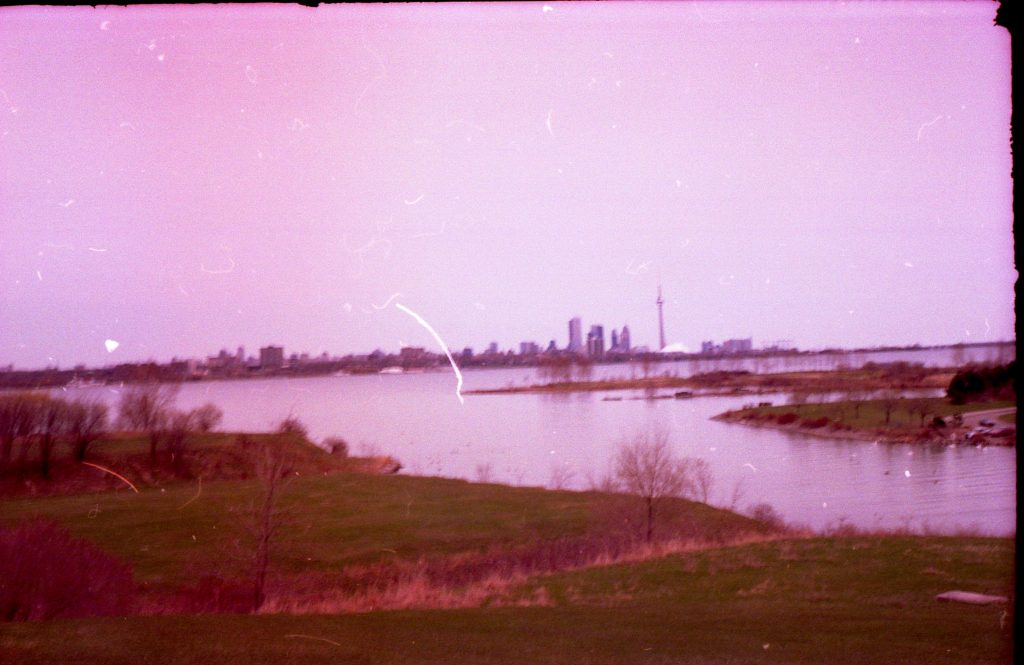
Years later, I returned—not by accident this time, but with intention and a camera in hand. The city had changed. Humber Bay had changed. What was once a forgotten stretch of shoreline had become a neighbourhood in motion—condos rising, paths filling with morning runners and cyclists. But beneath that transformation, the bay held onto its strange calm. It still does.
This part of the waterfront has a unique character. It’s peaceful, yet bordered by movement: highways, rail lines, planes overhead. It’s both deeply urban and somehow untamed. Historically, this was a meeting place—a point where land and water, people and stories converged. Perhaps that explains the pull. Or maybe it’s the light. The sunrises here are something else—often cold and biting, but filled with quiet energy.

Since around 2011, I’ve returned to Humber Bay again and again, especially in the early hours of winter mornings. Over the years, I’ve filled boxes with negatives, digital folders with files, and walls with prints. Some photos are technically sound, others less so. But each one is part of a longer journey—an attempt to capture something about this place that can’t quite be explained.

The images in this gallery span more than a decade of visits and experiments, each one a response to the same landscape seen anew. Humber Bay is not just a location—it’s a mood, a rhythm, a place that changes and stays the same all at once.
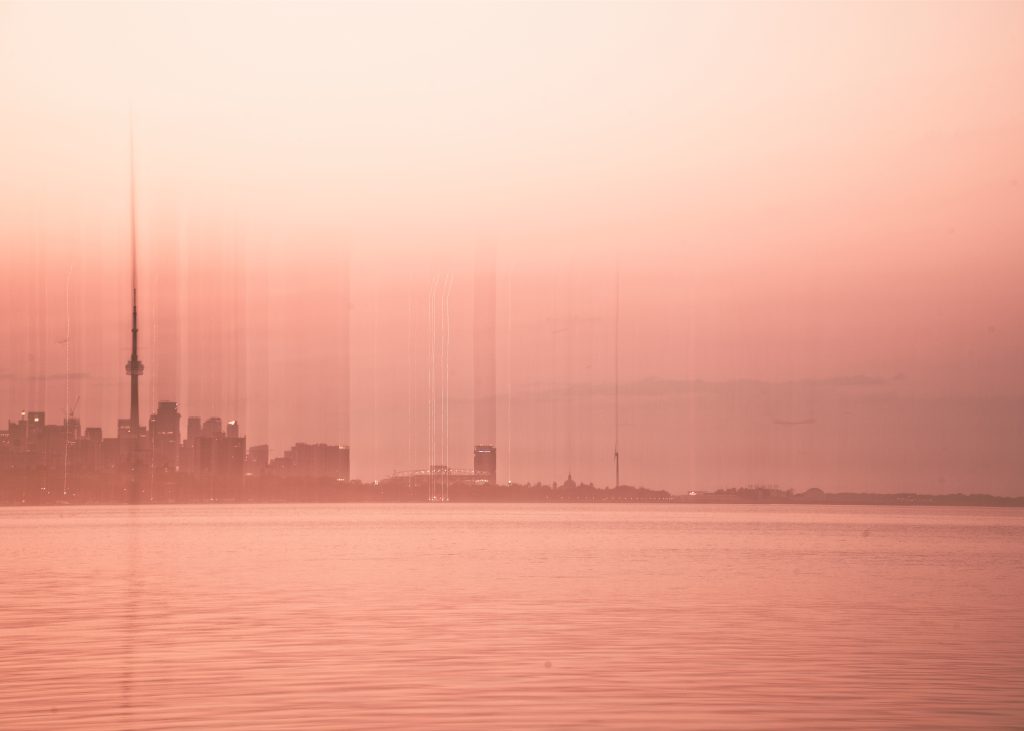
If the photos invite anything, I hope it’s not just to look, but to feel. To take a moment of stillness, to see the space between the expressway and the lake not as overlooked infrastructure, but as something unexpectedly human and alive.